

Nearly Double the Biomethane From the Same Biogas: Catator and LTH Students Test the Concept
What if a biogas plant could nearly double its biomethane output without adding any biological feedstock? On-site CO2 methanation makes that possible. Instead of removing the carbon dioxide in raw biogas, which makes up 40 to 50 percent of the gas, the CO2 reacts with renewable hydrogen to form additional methane. The result is vehicle-fuel-grade gas with 97 to 98 percent methane.
A new project between Chemical Engineering students at LTH, Lund University, and Catator now puts the concept to the test.
Turning a waste stream into a resource
The EU aims to scale up biomethane production to around 300 TWh by 2030, which calls for a rapid expansion of biogas plants. Today, conventional biogas upgrading consumes energy and leaves a biogenic carbon resource unused when CO2 is removed from the raw biogas. Methanation puts that CO2 to work, converting it into more biomethane instead.
Biogas plants already have much of what is needed: gas handling, grid connections, storage and experience with flammable gases. Waste heat from hydrogen production and methanation can also be used to heat the digester, improving overall plant efficiency.
From concept to numbers
The project, On-Site CO2 Methanation at Biogas Plants, is carried out as part of the master's course KETN25 Feasibility Studies on Industrial Plants. The students will assess how hydrogen production and methanation can be integrated into a typical co-digestion biogas plant, what the CAPEX, OPEX and revenue potential look like compared to conventional upgrading, and how current incentives and regulations affect feasibility.
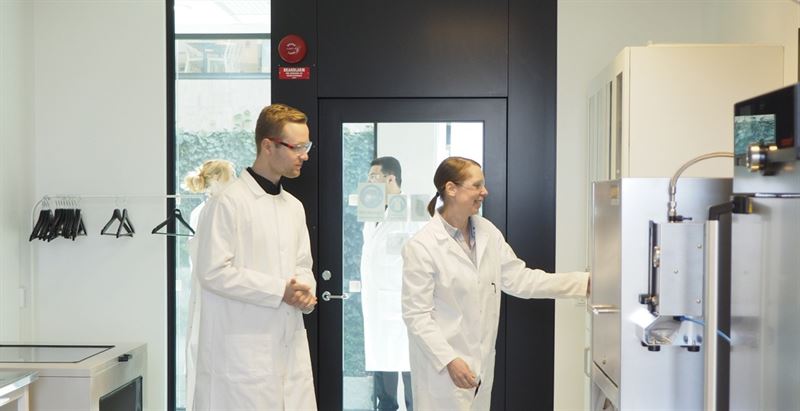
On September 16, the group visited Catator in Lund to see our facilities and discuss the project with our team.
"Biogas plants are sitting on a carbon resource that is largely going to waste today. Methanation is a catalytic process, which makes it a natural area for us to explore, and the students bring exactly what this question needs: a rigorous look at both the technology and the economics. Collaborating with LTH also gives us direct contact with the engineers who will shape the energy system of tomorrow," says Helena Svensson, Head of Development at Catator.
Building competence together
Working with students gives us fresh perspectives on emerging applications, and gives future engineers hands-on experience with a real industrial challenge. The project is supervised by Ola Wallberg, Department of Chemical Engineering, Lund University, and Helena Svensson, Head of Development at Catator.
Tags: