
61% Increase in Sierra Gorda Ore Reserve Estimate

South32 Limited
25 August 2026

25 August 2026
South32 Limited
(Incorporated in Australia under the Corporations Act 2001 (Cth))
(ACN 093 732 597)
ASX / LSE / JSE Share Code: S32; ADR: SOUHY
ISIN: AU000000S320
south32.net
61% INCREASE IN SIERRA GORDA ORE RESERVE ESTIMATE
South32 Limited (ASX, LSE, JSE: S32; ADR: SOUHY) (South32) announces updated Ore Reserve and Mineral Resource estimates for the Sierra Gorda copper mine in accordance with the JORC Code (2012)[1] guidelines.
These updates reflect enhanced orebody definition following successful infill drilling programs, with approximately 85,000 metres from 200 drillholes completed between 2023 and 2025.
The updated estimates as at 31 July 2026 reflect[2]:
|
· |
a 61% increase in the Ore Reserve estimate to 1,100 million tonnes, averaging 0.39% total copper, 0.016% total molybdenum and 0.06 g/t gold, at a total copper equivalent[3] grade of 0.46% (Table A); |
|
· |
an extension of the initial reserve life[4] by approximately five years to 2045; and |
|
· |
a Mineral Resource estimate of 1,870 million tonnes, averaging 0.37% total copper, 0.016% total molybdenum and 0.06 g/t gold, at a total copper equivalent grade of 0.44% (Table B). |
Full details of the Ore Reserve and Mineral Resource updates are contained in this announcement.
South32 Chief Executive Officer, Matt Daley said: "This update highlights the scale, quality and long-life orebody at Sierra Gorda, which we expect will be a significant source of copper for decades to come.
"It follows the approval in July to proceed with execution of the fourth grinding line project at Sierra Gorda, which is expected to increase copper production by approximately 30 per cent from 2031.
"With the current orebody remaining open at depth, the mine offers potential for further growth beyond today's increase to ore reserve and reserve life.
"We continue to work with our joint venture partner to drive further growth and value at Sierra Gorda. This includes the Catabela Northeast exploration project, where exploration holes have intersected significant copper mineralisation, highlighting the potential for future mine life extension."
About Sierra Gorda
South32 acquired a 45% interest in Sierra Gorda in February 2022 and has joint control alongside 55% joint venture partner KGHM Polska Miedź.
Sierra Gorda is a large, conventional, open pit copper mine located in the Antofagasta region of northern Chile. Sierra Gorda benefits from high quality, modern processing equipment, with significant historical capital investment. The operation is serviced by established infrastructure, including renewable power and a seawater pipeline, with freight rail and a national highway. The copper concentrate produced at the operation is transported by truck and rail to the ports of Antofagasta and Angamos for international export to end markets.
Table A: Ore Reserve estimate for the Sierra Gorda deposit as at 31 July 2026 in 100% terms1,2
|
Ore Type |
Proved Ore Reserves |
Probable Ore Reserves |
Total Ore Reserves |
|||||||||
|
Mt3 |
% |
% |
g/t |
Mt3 |
% |
% |
g/t |
Mt3 |
% |
% |
g/t |
|
|
Sulphide4 |
446 |
0.41 |
0.021 |
0.06 |
594 |
0.39 |
0.014 |
0.06 |
1040 |
0.40 |
0.017 |
0.06 |
|
Stockpile4 |
56 |
0.27 |
0.012 |
0.05 |
56 |
0.27 |
0.012 |
0.05 |
||||
Million dry metric tonnes3, % TCu- per cent total copper; % Mo- per cent total molybdenum; g/t Au- grams/tonne of gold;
Kt- Kilo tonnes; Mt - Million tonnes; Moz - Million ounces
Notes:
|
1. |
Cut-off grade: Net Smelter Return (NSR) of >0 US$/t. Input parameters for the NSR calculation are based on long term price forecasts for copper, molybdenum and gold; mining, haulage, processing, shipping, handling and G&A charges. Metallurgical recovery assumptions differ for geological domains with an average of 83% copper, 54% for molybdenum and 47% for gold. |
|
2. |
All tonnes and grade information have been rounded to reflect the relative uncertainty of the estimate; hence small differences may be present in the totals. |
|
3. |
All volumes are reported as dry metric tonnes. |
|
4. |
Ore delivered to process plant. |
Table B: Mineral Resource estimate for the Sierra Gorda Deposit as at 31 July 2026 in 100% terms1,2
|
Ore Type |
Measured Mineral Resources |
Indicated Mineral Resources |
Inferred Mineral Resources |
Total Mineral Resources |
||||||||||||
|
Mt3 |
% |
% |
g/t |
Mt3 |
% |
% |
g/t |
Mt3 |
% |
% |
g/t |
Mt3 |
% |
% |
g/t |
|
|
Sulphide |
498 |
0.39 |
0.020 |
0.06 |
853 |
0.36 |
0.014 |
0.06 |
466 |
0.35 |
0.015 |
0.06 |
1820 |
0.37 |
0.016 |
0.06 |
|
Stockpile |
56 |
0.27 |
0.012 |
0.05 |
56 |
0.27 |
0.012 |
0.05 |
||||||||
Million dry metric tonnes3, % TCu - per cent total copper; % Mo - per cent total molybdenum; g/t Au - grams/tonne of gold; Kt - Kilo tonnes; Mt - Million tonnes; Moz - Million ounces
Notes:
|
1. |
Cut-off grade: NSR of >0 US$/t. Input parameters for the NSR calculation are based on long term price forecasts for copper, molybdenum and gold; mining, haulage, processing, shipping, handling and G&A charges. Metallurgical recovery assumptions differ for geological domains with an average of 83% copper, 54% for molybdenum and 47% for gold. |
|
2. |
All tonnes and grade information have been rounded to reflect the relative uncertainty of the estimate; hence small differences may be present in the totals. |
|
3. |
All volumes are reported as dry metric tonnes. |
Competent Person Statement
The information in this announcement that relates to Mineral Resource estimate for the Sierra Gorda deposit, presented on a 100% basis, represents an estimate as at 31 July 2026 and is based on information compiled by Leyla Vaccia. Ms Vaccia is a full-time employee of Sierra Gorda SCM. Ms Vaccia is a Member of the Australasian Institute of Mining and Metallurgy. Ms Vaccia has sufficient experience relevant to the style of mineralisation and type of deposit under consideration and to the activities being undertaken, to qualify as Competent Person as defined in the 2012 Edition of the Australasian Code for Reporting of Exploration Results, Mineral Resources and Ore Reserves (the JORC Code). The Competent Person consents to the inclusion in this announcement of the matters based on their information in the form and context in which it appears.
The information in this announcement that relates to Ore Reserve estimate for the Sierra Gorda deposit, presented on a 100% basis, represents an estimate as at 31 July 2026 and is based on information compiled by Patricio Martinez. Mr Martinez is a full-time employee of SRK Consulting (Chile SpA). Mr Martinez is a registered member of Chilean Mining Commission (Recognised Professional Organisation as included in a list posted on the ASX website). Mr Martinez has sufficient experience relevant to the style of mineralisation and type of deposit under consideration and to the activities being undertaken, to qualify as Competent Person as defined in the 2012 Edition of the Australasian Code for Reporting of Exploration Results, Mineral Resources and Ore Reserves (the JORC Code). The Competent Person consents to the inclusion in this announcement of the matters based on their information in the form and context in which it appears.
About us
Our purpose is to make a difference by developing natural resources, improving people's lives now and for generations to come. We are trusted by our owners and partners to realise the potential of their resources. We produce minerals and metals critical to the world's energy transition from operations across the Americas, Australia and Southern Africa and we are discovering and responsibly developing our next generation of mines. We aspire to leave a positive legacy and build meaningful relationships with our partners and communities to create brighter futures together.
|
Investor Relations |
Media Relations |
|
Ben Baker T +61 8 9324 9363 |
Jamie Macdonald |
Further information on South32 can be found at www.south32.net.
Approved for release to the market by Matt Daley, Chief Executive Officer
JSE Sponsor: The Standard Bank of South Africa Limited
25 August 2026
UPDATE OF MINERAL RESOURCE ESTIMATE
South32 confirms an update to the Mineral Resource estimate for the Sierra Gorda copper mine as at 31 July 2026 (Table B). This update is based on infill drilling of ~85,000 metres from approximately 200 drillholes completed during 2023 and 2025. The update represents an 8% increase to the reported Total Mineral Resource as at 30 June 2026 (Annexure 1).
The estimate of Mineral Resource is reported in accordance with the Australasian Code for Reporting of Exploration Results, Mineral Resources and Ore Reserves, 2012 (JORC Code) and the Australian Securities Exchange Listing (ASX) Rules. The breakdown of the estimate of Mineral Resources into the specific JORC Code categories is contained in Table B. This report summarises the information contained in the JORC Code Table 1, which is included as Annexure 2.
Geology and geological interpretation
The Sierra Gorda deposit is in the plain of the intermediate valleys between the Cordillera de la Costa and the source of the Cordillera de Los Andes. Exploration and research identified three metallogenic belts from different ages related to hydrothermal systems, with copper, molybdenum and gold mineralisation. Most of the world-class copper porphyries that exist in northern Chile are located within the three belts. Sierra Gorda is located in the central belt.
Regionally, a sequence of Early Cretaceous volcanic rocks that was intruded by a granitic complex of Palaeocene age and a series of smaller younger intrusions have served as host rock for numerous hydrothermal mineralisation systems of copper, molybdenum and gold. The main structural systems are defined by regional faults in north-south and northwest directions, which control and serve as flow channels for systems of alteration and economic mineralisation.
Drilling techniques
A total of 2,514 diamond drill holes (DD) (722.5km) with HQ core (hole diameter of 63.5mm), 1,366 reverse circulation (RC) drill holes (261.1km) with a hole diameter of 139.7mm and 366 holes with RC pre-collar to cover the supergene zone, followed by diamond drilling (173.2km) have been included in the database. Deviation measurements are made using North-Seeking Gyroscope methods.
Sampling and sub-sampling techniques
The Mineral Resource estimate for the Sierra Gorda deposit was completed using a total of 2,293 diamond drill holes (DD) and reverse circulation (RC) drill holes, corresponding to 674,210m, considering the limits of the model.
Until 2021, drill half cores were sampled at 2m intervals. Between 2021 and 2023, the practice was to sample quarter core. Since August 2023, the sampling of half core was re-initiated. For RC drilling, a 2m sample (up to 80kg) is reduced to 10kg using three-stage splitting with a riffle splitter before being sent to the laboratory. Historically, different laboratories were used for sample preparation and chemical analysis. Since 2018, GeoAssay in Antofagasta, an ISO 9001:2000 certified external laboratory, has been engaged to do sample preparation and chemical analysis. Preparation for both DD and RC involves crushing to 90% passing 1.65mm. The crushed samples are reduced using a riffle splitter to 1,000g and then pulverised to 95% passing 100µm. All logging was verified by geologists throughout each drilling program and reviewed independently against core photos or RC chips by an alternate geologist prior to geological interpretation.
Blast hole samples were collected by pushing tubes perpendicular to the blast cone. The tube is pushed uniformly around the cone in eight locations to collect 15kg of sample. The same laboratory, GeoAssay, and same procedure as mentioned above was used for mechanical preparation and chemical analysis of blast hole samples.
Sample analysis method
Samples of 1g taken from 1,000g pulp were processed at the GeoAssay laboratory, where the samples were digested in a mixture of nitric (95%) and hydrochloric (5%) acid and the concentration of total molybdenum (Mo) and total copper (TCu) was measured using Atomic Absorption Spectroscopy (AAS). A 30g to 50g charge was used to determine gold grade using the fire assay method, followed by AAS. A range of certified reference materials (CRMs) was routinely submitted to monitor assay accuracy, with low failure rates within expected ranges for this deposit style, demonstrating reliable laboratory accuracy.
Results of routinely submitted field duplicates to monitor sample representativity, coarse crush precision and laboratory pulp duplicates to monitor quality control sample preparation homogeneity, and certified blank insertions to detect cross-contamination were all within an acceptable range for resource modelling.
Estimation methodology
Resource estimation was performed by ordinary kriging interpolation for the three elements of economic interest (TCu, Mo and Au). Search estimation criteria were consistent with geostatistical models developed for each estimation domain according to the appropriate geological controls. Validation included statistical analysis, swath plots and visual inspection. A discrete gaussian 'change of support' model was developed to analyse the level of smoothing after comparison with the resource model.
Specific gravity measurements from drill cores were used as the basis for calculating average densities for each estimation domain and oxidation style (i.e. oxide, supergene and hypogene). Average specific gravities from all samples from a domain were used for the domain tonnage conversion factors when calculating tonnage for both mineralised and non-mineralised material.
The grade control model is estimated using inverse distance method with a power of two. Search criteria use the surrounding samples to generate a local estimate. The ore tracking system is then used where the parcel of ore moved from pit to stockpile is assigned the grade of the respective block from the grade control model.
Mineral Resource classification
A multi-criteria approach was used to classify the Mineral Resource. The classification category outcome from complete assessment is as below.
· Measured Mineral Resources: Applied to blocks where there is 90% confidence that the block grade is within 15% on a quarterly tonnage parcel which equates to an equivalent grid spacing of less than 60m.
· Indicated Mineral Resources: Applied to blocks where there is a 90% chance that the block grade is within 15% on an annual tonnage basis which equates to an equivalent grid spacing of between 60m and 120m.
· Inferred Mineral Resources: Blocks within the variogram range, up to an equivalent grid spacing of less than 300m.
· Sulphide stockpile Mineral Resource considers the uncertainty associated with material mining, movement and tracking using equipment fitted with high precision GPS (HPGPS). All sulphide stockpile Mineral Resource is classified as Indicated Mineral Resource based on the above assessment.
Mining and metallurgical methods and parameters
A pit optimisation (using the Lerchs-Grossman algorithm) was completed to evaluate Reasonable Prospects for Eventual Economic Extraction (RPEEE) for constraining the Resource boundary (both laterally and vertically) using the parameters in the Life of Mine (LOM) Plan and JV partner agreed price protocols.
Metallurgical recoveries were derived based on current operational performance and test work. The grade recovery curve was then derived from the inputs and has been incorporated in the resource model for all paying elements (TCu, Mo and Au). Metallurgical recovery assumptions differ between geological and weathering domains and vary considerably. Average process recovery for copper was 83%, for molybdenum was 54% and for gold was 47%.
Cut-off grade
Sierra Gorda uses an equivalent NSR value as the grade descriptor.
Input parameters for the NSR calculation are based on long-term forecasts agreed with our JV partner for Cu, Mo and Au pricing, after considering all costs related to mining, haulage, processing, shipping, handling and G&A charges.
As all costs are included in the NSR calculation, all blocks reporting a positive NSR value satisfied the assessment of reasonable prospects for eventual economic extraction and were reported as Mineral Resources.
Additional information is detailed in Annexure 2.
ESTIMATE OF ORE RESERVE
South32 confirms an update to the Ore Reserve estimate for the Sierra Gorda copper mine as at 31 July 2026 (Table A). This update reflects the updated Mineral Resource estimate set out in Table B and includes assumptions from the recently approved expansion in processing capacity through the fourth grinding line project[5]. This update represents a 61% increase compared to the Ore Reserve estimate as at 30 June 2026 (Annexure 1) and supports a 19 year reserve life at forecasted throughput rates, including expanded capacity from the fourth grinding line project.
The Ore Reserve estimate is reported in accordance with the Australasian Code for Reporting of Exploration Results, Mineral Resources and Ore Reserves, 2012 (JORC Code) and the Australian Securities Exchange Listing (ASX) Rules. The breakdown of the estimate of Ore Reserves into the specific JORC Code categories is contained in Table A. This report summarises the information contained in the JORC Code Table 1, which is included as Annexure 2.
Material and economic assumptions
Sierra Gorda is an open pit mine that produced first ore in 2015. An annual review of the LOM plan and production schedule is undertaken to confirm that the mine plan is technically extractable and economically viable. Relevant studies are undertaken to enable Mineral Resources to be converted to Ore Reserves based on current operating methods and practices.
Mining costs are calculated primarily from first principles using detailed labour rate calculations, equipment operating costs and actual expenditure for materials and consumables. Processing costs account for plant consumables and reagents, labour, power and maintenance materials and tailings storage facilities (TSF) costs. General and administrative (G&A) costs are based on current operating structures. Permitting and environmental estimates are based on current permitting timelines. Transportation charges have been estimated using information on rail costs, export locations, transload capabilities and transit time associated with moving concentrate from site to port to market. Treatment and refining charges are based on a long-term view of the refining costs and commodity prices for copper and molybdenum concentrate. Applicable royalties and property fees have been applied using current royalty agreements.
Capital costs are based on the expected future development of the mine, processing and sustaining capital requirements. The costs have been accounted for in the operation's valuation models. Other economic assumptions used for the valuation reflect internal views of demand, supply, volume forecasts and competitor analysis.
Mining factors and assumptions
An optimised pit shell is developed utilising appropriate mining, processing, metallurgical, infrastructure, economic, legal and ESG factors complying with the approved geo-mechanical configuration, such as inter-ramp angles, inter-ramp height, and berm widths. The global net dilution factor of 2.7% was used based on average dilution of 6.5% and mining recovery of 96.2%.
The optimised pit is designed using Whittle software; the operational pit is designed with Vulcan Software and HxGN Mineplan 3D; strategic planning is developed in Minemax Software and tactical planning is completed with SP2 software.
Open pit mining equipment used include Komatsu 930E trucks, Caterpillar 7495 and P&H Shovels, PC5500 hydraulic excavators. To support mining production, CAT D11T & Komatsu D475-A bulldozers, Komatsu WD900-3-wheel dozers and Komatsu GD825A motor graders.
Processing method and assumptions
The sulphide ore is crushed and ground to 194µm. The ground ore is floated to produce copper and molybdenum concentrate with a current throughput capacity of 135ktpd which is forecast to increase to 165ktpd by 2031 following completion of the fourth grinding line project. Total payable copper, molybdenum and gold production from 2026 until 2045, the end of the project's reserve life, is estimated at 3,548kt of copper, 982koz of gold and 93kt of molybdenum, respectively.
Geo-metallurgical domains are defined based on mineralogy, lithology and alteration. The recovery formula for each geo-metallurgical domain is based on bond work index (BWI) and grades of total copper, soluble copper, iron and molybdenum. Metallurgical recovery was assessed based on current operational performance and test work. Recovery curve was then derived from the inputs and is incorporated in the resource model for all paying elements (copper, molybdenum and gold). Recovery formulae for copper and molybdenum are included in Annexure 2.
Material modifying factors
The Sierra Gorda community team maintain relations with the nearby community to ensure operational continuity. Meteorological variables and air quality are monitored on an ongoing basis.
The mining areas are within existing mining leases with appropriate environmental studies and approvals in place until 2035. It is planned to update the environmental approval to extend the mine life beyond 2035. The approval process is planned to start by 2030 to complete the required work in time for approval through usual processes.
Estimation methodology
The Sierra Gorda Ore Reserve was estimated considering all modifying factors to define an optimised pit using a Lerchs-Grossmann algorithm. In the optimisation to derive a final pit shell, Inferred Resources were deemed to add value. In developing final mine designs and the production schedule to achieve the annual ore production target (mill capacity) from Measured and Indicated Resources as an input to the valuation model, Inferred Resources have been deemed to be waste. This ensures appropriate definition of the ultimate pit with consideration for resource uncertainty related to Inferred Resources.
Cut-off parameters
Sierra Gorda uses an NSR value as the grade descriptor. Input parameters for the NSR calculation are based on long-term forecasts agreed with our JV partner for copper, molybdenum and gold pricing, after considering all costs related to mining, haulage, processing, shipping, handling and G&A charges. As all costs are included in the NSR calculation, all blocks reporting a positive NSR value satisfied the assessment of technical and economic viability to report as Ore Reserves.
Sensitivity analysis has been completed on metal prices, metallurgical recoveries, mine operating costs, capital costs and use of Inferred Mineral Resources to understand the value drivers and impact on valuation. The valuation remains robust under the tested conditions.
Ore Reserve classification
The following criteria were used for classification of Ore Reserves:
· Sulphide and transition ore processed by flotation with a NSR value greater than or equal to zero. Value attributed only from Measured and Indicated Mineral Resources.
· Use of long-term price and cost assumptions.
· Ore Reserve converted from a Measured Mineral Resource is reported as Proved Ore Reserve.
· Ore Reserve converted from an Indicated Mineral Resource is reported as Probable Ore Reserve.
The Competent Person considers that the classification of Ore Reserve reflects the risks and opportunities related to geological interpretation, level of study, appropriate assessment of the mining and processing factors, economic and infrastructure assumptions and environmental, social and governmental considerations.
Annexure 1: Mineral Resources and Ore Reserves as at 30 June 2026
Table C: Ore Reserves estimate for the Sierra Gorda Deposit as at 30 June 2026 in 100% terms1,2
|
Ore Type |
Proved Ore Reserves |
Probable Ore Reserves |
Total Ore Reserves |
|||||||||
|
Mt3 |
% |
% |
g/t |
Mt3 |
% |
% |
g/t |
Mt3 |
% |
% |
g/t |
|
|
Sulphide4 |
291 |
0.41 |
0.026 |
0.07 |
336 |
0.37 |
0.014 |
0.06 |
627 |
0.39 |
0.020 |
0.07 |
|
Stockpile4 |
52 |
0.27 |
0.012 |
0.05 |
52 |
0.27 |
0.012 |
0.05 |
||||
Million dry metric tonnes3, % TCu- per cent total copper; % Mo- per cent total molybdenum; g/t Au- grams/tonne of gold; Kt ilo tonnes; Mt - Million tonnes; Moz - Million ounces
Notes:
1. Cut-off grade: NSR of >0 US$/t. Input parameters for the NSR calculation are based on long term price forecasts for copper, molybdenum and gold; mining, haulage, processing, shipping, handling and G&A charges. Metallurgical recovery assumptions differ for geological domains with an average of 83% copper, 54% for molybdenum and 47% for gold.
2. All tonnes and grade information have been rounded to reflect the relative uncertainty of the estimate; hence small differences may be present in the totals.
3. All volumes are reported as dry metric tonnes.
4. Ore delivered to process plant.
Table D: Mineral Resource estimate for the Sierra Gorda Deposit as at 30 June 2026 in 100% terms1,2
|
Ore Type |
Measured Mineral Resources |
Indicated Mineral Resources |
Inferred Mineral Resources |
Total Mineral Resources |
||||||||||||
|
Mt3 |
% |
% |
g/t |
Mt3 |
% |
% |
g/t |
Mt3 |
% |
% |
g/t |
Mt3 |
% |
% |
g/t |
|
|
Sulphide |
317 |
0.40 |
0.026 |
0.07 |
475 |
0.34 |
0.013 |
0.06 |
892 |
0.37 |
0.013 |
0.06 |
1680 |
0.37 |
0.016 |
0.06 |
|
Stockpile |
52 |
0.27 |
0.012 |
0.05 |
52 |
0.27 |
0.012 |
0.05 |
||||||||
Million dry metric tonnes3, % TCu - per cent total copper; % Mo - per cent total molybdenum; g/t Au - grams/tonne of gold; Kt - Kilo tonnes; Mt - Million tonnes; Moz - Million ounces
Notes:
1. Cut-off grade: NSR of >0 US$/t. Input parameters for the NSR calculation are based on long term price forecasts for copper, molybdenum and gold; mining, haulage, processing, shipping, handling and G&A charges. Metallurgical recovery assumptions differ for geological domains with an average of 83% copper, 54% for molybdenum and 47% for gold.
2. All tonnes and grade information have been rounded to reflect the relative uncertainty of the estimate; hence small differences may be present in the totals.
3. All volumes are reported as dry metric tonnes.
Competent Person Statement
The information in this announcement that relates to Mineral Resource estimate for the Sierra Gorda deposit, presented on a 100% basis, represents an estimate as at 30 June 2026 and is based on information compiled by Leyla Vaccia. Ms Vaccia is a full-time employee of Sierra Gorda SCM. Ms Vaccia is a Member of the Australasian Institute of Mining and Metallurgy. Ms Vaccia has sufficient experience relevant to the style of mineralisation and type of deposit under consideration and to the activities being undertaken, to qualify as Competent Person as defined in the 2012 Edition of the Australasian Code for Reporting of Exploration Results, Mineral Resources and Ore Reserves (the JORC Code). The Competent Person consents to the inclusion in this announcement of the matters based on their information in the form and context in which it appears.
The information in this announcement that relates to Ore Reserve estimate for the Sierra Gorda deposit, presented on a 100% basis, represents an estimate as at 30 June 2026 and is based on information compiled by Enrique Ardiles. Mr Ardiles is a full-time employee of Sierra Gorda SCM. Mr Ardiles is a Member of the Australasian Institute of Mining and Metallurgy. Mr Ardiles has sufficient experience relevant to the style of mineralisation and type of deposit under consideration and to the activities being undertaken, to qualify as Competent Person as defined in the 2012 Edition of the Australasian Code for Reporting of Exploration Results, Mineral Resources and Ore Reserves (the JORC Code). The Competent Person consents to the inclusion in this announcement of the matters based on their information in the form and context in which it appears.
Annexure 2: JORC Code Table 1 - Mineral Resource and Ore Reserve estimate for Sierra Gorda deposit
The following tables provide a summary of important assessment and reporting criteria used at the Sierra Gorda deposit for the reporting of Mineral Resources and Ore Reserves in accordance with the Table 1 checklist in The Australasian Code for the Reporting of Exploration Results, Mineral Resources and Ore Reserves (The JORC Code, 2012 Edition) on an 'if not, why not' basis.
Section 1 Sampling Techniques and Data
(Criteria in this section apply to all succeeding sections.)
|
Criteria |
Commentary |
|
Sampling techniques |
· The Mineral Resource estimate for the Sierra Gorda copper deposit was completed using a total of 1,920 diamond drill holes (DD) and reverse circulation (RC) drill holes, corresponding to 579,614m. · A heterogeneity study, to determine the appropriate sample size was updated by Sierra Gorda SCM in 2023. The sample reduction and preparation is in line with the study. · A quarter of the RC sample volume and half cores were processed and analysed for every forty sample (duplicate) to assess sample representivity. Analytical results for duplicate samples were within 90% of accepted pairs with less than 30% relative error. Certified Reference Materials (CRMs), blanks, and duplicate samples are routinely included as part of the QA/QC program. Laboratory equipment is regularly calibrated and monitored through internal quality control procedures to ensure the accuracy, precision, and reproducibility of analytical results. · Samples from DD and RC drilling were collected at 2m intervals. For RC drilling, the samples collected from 2m intervals (up to 80kg) were reduced by riffle splitter to 10kg and sent to the laboratory. At the laboratory, 10kg samples were crushed to 90% passing 1.65mm. The crushed samples were reduced to 1,000g using a lineal cutter (CRC, Crushing Robotic Cell) and the 1,000g samples were pulverised to 95% passing 0.104mm. For DD, prior to 2021, half cores were used for sub-sampling for chemical analysis. Since 2021 to 2023, only quarter cores have been used; the other quarter is used for geometallurgical assessment. Half and quarter DD core samples from 2m intervals (approx. 3kg to 4kg) were crushed to 90% passing 1.65mm. The crushed samples were reduced to 1,000g using a rotary splitter and then pulverised to 95% passing 0.104mm. Since 2024 to date, half cores were used for sub-sampling for chemical analysis. Finally, 1g pulp samples were subjected to chemical analysis using acid digestion (nitric acid at 95% concentration and hydrochloric acid) followed by Atomic Absorption Spectroscopy (AAS). A 30g to 50g charge was used to determine gold (Au) grade using the fire assay method, followed by AAS. |
|
Drilling techniques |
· A total of 1,920 drill holes comprising 607 diamond drill holes (DDH) for 239,547 m, 975 reverse circulation (RC) drill holes for 183,829 m, and 338 mixed drill holes (RC pre-collar followed by diamond drilling) for 156,237 m, were included in the Mineral Resource estimate. The drilling database used for estimation comprises a total of 579,614 m of drilling and provides adequate spatial coverage to support geological interpretation and grade estimation across the deposit. · Downhole survey was completed using North-Seeking Gyroscope methods. |
|
Drill sample recovery |
· Core recovery was measured for each 3m run at the drill site for all DD holes. The average recovery exceeded 95%. The recovery of RC drilling was determined by weighing a sample and comparing it with the theoretical weight determined from the hole diameter. The average recovery for all RC drilling was more than 93%. · Recovery drops when drilling encounter fault zones. Recovery was therefore maximised by managing speed of rotation and optimising drilling fluid density. Given that the overall recovery was very high, correlation analysis between core recovery and grade was not performed. |
|
Logging |
· All DD cores were logged for lithology, alteration, mineralisation, veins and structures, as well as geotechnical data, including rock quality designation (RQD), fracture frequency (FF), fault type, and fill. · Representative RC chips were collected from each RC drill interval in a sample tray and were logged for lithology, alteration, and mineralisation. The geological parameters required for developing a geology and mineralisation model are pre-defined in the logging software. For consistency, the pre-defined codes are used for logging when entering information in the centralised database. · After logging, all drill holes undergo a geological validation process, comparing the geology with current models. The boundaries of the different mineral zones defined during drill hole mapping are adjusted once the chemical analyses are received. Following this validation, they are officially entered into the resource database. · Geological logging is both qualitative and quantitative in nature. The quantitative assessment reflected the prediction of the occurrence and abundance of mineralisation. The DD cores were photographed in their entirety. The geological description has the appropriate level of detail to properly support the development of a geology and mineralisation model. The entirety of the drill holes have geological mapping recorded in the database. |
|
Sub-sampling techniques and sample preparation |
· All DD cores for every 2m interval were longitudinally cut into equal halves. One half to be used for chemical analysis and the other half was stored in the core library. If necessary, a quarter of the core will be cut for geometallurgical testing. The approximate weight of a 2m half core sample is between 6kg and 8kg. The whole half core samples were sent to an external laboratory for processing and chemical analysis. Until 2021, DD cores were cut into two equal parts at intervals of 2m, with one half used for chemical analysis and the other stored in the core library. A 2m RC interval weighs approximately 80kg. Samples are reduced to 10kg using a riffle splitter and sent to an external laboratory for processing. Since 2021 to 2023, only quarter cores have been used; the other quarter is used for geometallurgical assessment. Then, from 2024 to the present, the practice of cutting the core into two equal parts was resumed. · RC samples are weighted to confirm the weight received and then dried in an oven at 105°C (+5°C) for approximately 6 to 10 hours. For RC drilling, a 2m sample (up to 80kg) is reduced to 10kg with a riffle splitter and sent to the laboratory. At the laboratory, the 10kg samples are crushed to 90% passing 1.65mm and reduced to 1,000g using a lineal cutter (crushing robotic cell (CRC)). The 1,000g samples are pulverised to 95% passing 0.104mm. · Core samples: For DD, half core samples from 2m intervals (approx. 6kg to 8kg) are crushed to 90% passing 1.65mm. The samples are then dried in an oven at 105°C (+5°C) for approximately 6 to 10 hours. The crushed samples are reduced to 1,000g using a rotary splitter and then pulverised to 95% passing 0.104mm. The pulverised samples are passed through a rotary divider to obtain three pulps of 200g each. One of the portions is used for chemical analysis by AAS and the remaining two are stored as duplicates for future reference. · All sample collection processes from the drill holes (Diamantine and Reverse Air) and their corresponding mechanical preparation have been based on the various heterogeneity tests performed at the Sierra Gorda Mine in 2023 and the periods leading up to these, in accordance with industry standards. Thus, the mechanical preparation of the drill hole samples complies with the Sampling Nomograms, which are previously delivered to the external laboratories with which we work. |
|
Quality of assay data and laboratory tests |
· A 1g pulp sample is digested using nitric acid and hydrochloric acid and thereafter quantified using AAS. This is considered appropriate for the type of mineralisation. The method is used to determine TCu and Mo percentages. A 30g to 50g charge is used to determine gold (Au) grade using the fire assay method followed by AAS. Samples are analysed in batches of 25. A batch contains 20 samples, two certified reference material (CRM), one pulp duplicate, one field duplicate and one blank sample. The analytical laboratory manages an internal quality control protocol that is performed on each batch analysed. The protocol includes analysis of three each of CRMs, duplicate samples and blank samples per batch. The results from the laboratory's internal control samples are reported on each certificate of analysis delivered. · Quality control of chemical analyses (Total Copper and Total Molybdenum) in drilling campaigns has been implemented as a process since 2014 and formalised since 2019 with 20% controls per batch. This includes field and pulp duplicates, insertion of standards, reference materials prepared from mine materials and internationally certified reference materials (Oreas), coarse blanks and pulp blanks. All of these controls correspond to blind inserts. Analysis of the results is performed in internal Drilling Management Software, with acceptance levels of 30% for field duplicates and 10% for pulps; 5 times the detection limit for blanks and three standard deviations for "standards" or two consecutive values above or below two standard deviations. · Currently, duplicate pulp samples are not sent to another independent laboratory (check or umpire analysis) to assess whether there is procedural bias at GeoAssay, the primary laboratory. The Competent Persons consider that the nature and quality of the chemical analyses and laboratory procedures are appropriate to support estimation of the mineralisation grades of the Sierra Gorda deposit. |
|
Verification of sampling and assaying |
· All logging and chemical analysis is peer reviewed to confirm the geology (using core photographs) and mineralisation match with the analytical outcome. Once verification is complete, the data is authorised for inclusion in the central database. · Drill holes have not been twinned due to the disseminated nature of mineralisation and the low 'nugget' effect. The assessment is confirmed on review of semi-variogram models and provides confidence in the predictability of drilling results over short and long ranges. · The logging is performed on digital tablets, which are loaded as CSV files directly to the database. The results of chemical analyses are digitally recorded (in CSV files) and uploaded to a database in the SQL server. · Sierra Gorda SCM (SGSCM) has procedures in place for periodic back up of all information, including storing periodic backup offsite. · No adjustment has been made to the analytical data. For estimation purposes, values reported as less than the detection limit by the laboratory were assigned a value of half of the detection limit. |
|
Location of data points |
· The mining concessions allow mining exploitation and exploration in Chile and are regulated by the Mining Code, which establishes the UTM coordinate system in Datum PSAD56 to be used as the official coordinate system. The local coordinate system developed by the mine is linked to the official coordinate system. The location of drill hole collars is surveyed by the survey department, using Trimble R12i equipment (global navigation satellite system), with a real-time kinematic accuracy of 8mm (horizontal) and 15mm (vertical). · Geodetic satellite positioning equipment (GPS) (TOPCON brand - GR3 model, double frequency, with accuracy of 5 mm) is used for geographical location and planimetry. A Total Topcon Station model 7501 is used to determine surface distances and an electronic LEICA level, model DNA3, is used to define precision elevations in the mining area. · Downhole surveys are performed with a gyroscope (model STO Gyro Master). The measurement is taken at downhole intervals between 20m and 50m from the end of the hole. The company conducting the downhole survey (Datawell) provides the data for each hole, which is then lodged in the database. SGSCM is in the process of preparing a procedure to validate all survey and depth information. · Surveying procedures and practices are adequate and can be used for mine planning purposes. |
|
Data spacing and distribution |
· No exploration results are reported. · Due to the variable orientations of the drill holes, data spacing may vary with depth. In general, drill hole collars are spaced between 50m and 100m. Infill drilling is spaced between 30m and 60m (Figure 3). · The scheduling of twin drilling will be considered by the project team during future campaigns. · Drill spacing is considered sufficient by the Competent Persons to establish geological and grade continuity necessary to support a reliable resource estimate. · All samples are composited to 8m along the drill hole. The composite length is appropriate for panel grade estimation with a block height of 16m. |
|
Orientation of data in relation to geological structure |
· Most of the drill holes are orientated in the east-west direction, with variable dip. However, there are also a small number of east-northeast orientated drill holes, and some of the shallower drill holes in the active open pit area have a radial pattern. · The general orientation of mineralisation within the hypogene zone is sub-vertical, with a north-northeast orientation in plan view. The drill holes are planned with an orientation that allows lateral recognition of the main body, to enable edge variability to be controlled. Within the mineralised body drilling confirms the mineralised zones and provides reasonable confidence in defining the mineralisation. · Even though the mineralisation is structurally controlled, the structures radiate in all directions, which means that drill cores are not generally oriented. |
|
Sample security |
· Each sample generated is assigned a number by an automated numbering system which allows traceability at all stages of the process. · The samples are sent to the GeoAssay laboratory in Antofagasta for preparation and chemical analysis according to a defined procedure as described above. Transport is adequate to maintain the integrity and safety of the samples. The results are received and are verified for storage in a custom SQL server database. · The SQL database has user-level security and there are periodic backups of the server according to SGSCM procedure. · Pulverised samples (sieve mesh #150) are stored in envelopes (250 g), while coarse rejects (sieve mesh #10) are kept in plastic containers (1.0-2.0 kg). All material is properly inventoried and stored in larger containers to ensure sample integrity. Diamond drill cores are stored in wooden trays, whereas reverse circulation (RC) samples are kept in wooden and/or plastic boxes. |
|
Audits or reviews |
· In December 2025, a review of sampling and data processes was undertaken as part of regular South32 assurance processes. No material issues were identified. Improvements have been implemented in on-site sample handling and processing since the previous review. |
Section 2 Reporting of Exploration Results
(Criteria listed in the preceding section also apply to this section.)
|
Criteria |
Commentary |
|
Mineral tenement and land tenure status |
· SGSCM is owned by KGHM Polska Miedź SA (55%) and South32 Ltd (45%). · The Sierra Gorda deposit is backed by mining tenure, granted through 247 mining concessions. Exploration of minerals is allowed across the effective area covered by the mining concessions, which is a total of 17,560.99 hectares. The Mining Code, which regulates mining concession activity in Chile, establishes that mining concessions grant the right to explore and exploit metallic and non-metallic mineral substances. The concessions are perpetual and are maintained indefinitely through the annual payment of the mining patent to the General Treasury of the Republic of Chile. Seven mining easements have also been established, which grant the right to occupy the surface and establish infrastructure necessary for the extraction and processing of minerals, covering a total area of 25,080.34 hectares and including the water pipeline. The annual payment of the mining easement keeps the right to occupy surface land belonging to the State of Chile in force. Currently, there are five mining easements granted for an indefinite term, while the remaining two have definite expiry dates: a) Rol 2837-2013 expires 22 March 2034; and b) Roi 3123-2010 replaced by provisional easement registered in the Mortgage and Encumbrance Registry of the Antofagasta Property Registry under number 2124 for the year 2024. The process is currently in the Court of Appeals, pending its final granting, Rol C-684-2024. · Operations are carried out in compliance with the regulations and payments established to guarantee the viability and continuity of mining activities. · Royalties Law 20,026 of 2005, modified by Law 20,469 of 2010, establishes the regime under which mining companies must pay a royalty to the State of Chile, with variable rates on their mining operating income of from 5% to 34.5%, progressive by sections as mining operating margin increases. |
|
Exploration done by other parties |
· The historical drilling of the Sierra Gorda deposit began in 1966 with the first surveys by ITT, Cimma Mines and Chevron. The companies drilled 108 drill holes (95RC-13DD) before 1987. Between 1991 and 1996, Outokumpu began the first formal exploration campaign, completing 238 drill holes (109RC-48DD-81 mixed). Between 1997 and 2003, RTZ drilled 61 holes (53RC-8DD). Two companies, Teck-Cominco and SOQUIMICH, drilled 61 holes (44RC-8DD-17 mixed) between 1997 and 2011 on the Pampa Lina property. In parallel, Quadra drilled 1,069 holes between 2004 and 2012. |
|
Geology |
· The Sierra Gorda deposit is located in the plain of the Intermediate Depression or the Intermediate Valleys located between the Cordillera de la Costa and the headwaters of the Cordillera de Los Andes. · Exploration and research associated with Andean metallogenesis identified three metallogenic belts from different ages related to hydrothermal systems, with copper, molybdenum and gold mineralisation, between 20° and 27° south latitude. Metallogenic belts are differentiated by an area to the west located in the coastal zone of Cretaceous age (130Ma), a central zone of Paleocene-Early Eocene age (66Ma to 55Ma) and an eastern belt of Upper Oligocene age (42Ma to 31Ma). All the world-class copper porphyry deposits that exist in northern Chile are located at the source of the Cordillera de Domeyko and its continuation to the north. · Sierra Gorda is located in the Palaeocene-Early Eocene metallogenic belt, located at the western edge of the Domeyko range in the second region of northern Chile. · Regionally, a sequence of Early Cretaceous volcanic rocks that was intruded by a granitic complex of Palaeocene age and a series of smaller, younger intrusions, have served as host rocks for numerous hydrothermal mineralisation systems of copper, molybdenum and gold (Figure 2). · The main structural systems are defined by regional faults of north-south and northwest direction, which control and serve as conduits for fluid alteration of the host rock and for deposition of economic mineralisation. · Figures 5, 6 and 7 show South West to North East cross sections of the lithology, alteration and mineralisation models, respectively. |
|
Drill hole information |
· Exploration results are not reported as part of the Mineral Resource estimate. · Figure 3 shows the collar location of the drilling information used to develop the Mineral Resource estimate. · A metal equivalent has been used for reporting the Mineral Resource estimate. |
|
Data aggregation methods |
· Data is not aggregated, other than being composited to 8m using a length weighted average for geostatistical analysis and estimation. · The composite length of 8m is considered appropriate based on the nature of mineralisation and the method of mining (including bench height). |
|
Relationship between mineralisation widths and intercept lengths |
· The main ore body is vertical, and the dominant drilling orientation is east-west, with variable dips (vertical to 65°) depending on the location of the drill hole collar. Where mineralisation is disseminated or stockwork in nature, drilling also uses a variety of dip angles (vertical to 65°). |
|
Diagrams |
· Relevant maps and sections are appended to this document. |
|
Balanced reporting |
· Exploration results are not specifically reported as part of the Mineral Resource estimate. |
|
Other substantive exploration data |
· SGSCM is currently conducting a geological survey (lithology, alteration and structural system) of the entire mining property and geophysics studies (IP-MIMDAS and magnetometry). |
|
Further work |
· SGSCM is completing annual infill drilling programs to further enhance confidence in the Mineral Resource estimate within the Catabela Pit and to identify potential extensions to the deposit. In parallel, exploration is ongoing outside the existing pit shell to assess the continuity of mineralisation laterally, with emphasis on known structural trends and other potential satellite deposits. |
Section 3 Estimation and Reporting of Mineral Resources
(Criteria listed in section 1 and where relevant in section 2, also apply to this section.)
|
Criteria |
Comment |
|
Database integrity |
· The analytical results, once received, are verified and stored in a custom SQL server database. Since the start of mining in 2014, data on collars, downhole surveys, geological logging and analytical results have been loaded from CSV files as it becomes available. The upload process includes validation checks for consistency, including assessment of anomalous values. · As part of updating the geological model, all records are reviewed by experienced geologists against core photos in the context of the surrounding geological interpretation. · Measures are taken to ensure that data has not been modified, for example, due to transcription or typing errors, between initial collection and use for Mineral Resource estimation purposes. The process of validation is repeated annually. |
|
Site visits |
· Ms. Leyla Vaccia is an employee of Sierra Gorda SCM and is based at site and has ongoing direct involvement with the operation. Regular observations and inspections of mining, sampling, geological logging, and resource estimation activities are conducted as part of her normal duties. |
|
Geological interpretation |
· The geological model has been developed using lithology, mineralisation and alteration. Leapfrog software is used in developing 3-D volumes for geology and mineralisation. · The interpretation criteria considered for the lithological units is based on the conceptual model of the deposit, which considers a volcanic sequence (Quebrada Mala Formation, Maastrichtian; 73Ma to 65Ma), which is in contact with the Sierra Gorda intrusive complex (71Ma to 65Ma). Both units host porphyry bodies (Figure 2). · The alteration considers the interpretation of four main units (biotite, propylitic, sericite quartz and argillic), with biotite alteration being dominant. Biotite alteration is mainly characterised by pervasive replacement of mafic minerals by secondary biotite. The propylitic alteration is located in the periphery of the deposit. The sericite quartz alteration corresponds to the main hydrothermal alteration, presenting a wide spatial distribution affecting intrusives, volcanic rocks and intra-mineral porphyries. The argillic alteration is identified in the most supergene zone of the deposit and has a close genetic relationship with the secondary processes of sulphide leaching. · Copper mineralisation is defined on the basis of consideration of the following criteria. o A hypogene zone is defined, which corresponds to the mineralisation of primary sulphides formed by the zones of primary pyrite and primary chalcopyrite. o The supergene zone is formed by a process of rebalancing from hypogenic (hydrothermal) mineralogy to oxidising conditions near the earth's surface. The supergene event has generated three zones; leached, oxides and secondary enrichment. · Hypogene sulphide mineralisation forms most of the mineralisation, both in terms of volume and metal content. Hypogene copper sulphides consist predominantly of chalcopyrite. · Visual checks were made in 3D, plan and section views and interpretation anomalies were reviewed and modified as appropriate. · The geology is well understood due to the long history of exploration and mining in the area and alternate interpretations were therefore not considered. |
|
Dimensions |
· The morphology and extent of the Mineral Resource of the Sierra Gorda deposit is a sub-vertical body with a diameter varying between 1,600m and 2,000m. Currently, the mineralised system has been extended to a depth of 1,800m. · The stockpile resource covers an area of over 260ha and is located adjacent to the Catabela pit. |
|
Estimation and modelling techniques |
· Mineralisation domains were developed for each element of economic interest (TCu, Mo and Au). Nine copper domains, four molybdenum domains and seven gold domains were defined based on mineral composition, alteration, lithology and grade cut-off. The domains were validated by exploratory data analysis (EDA). · Outlier assessment resulted in capping of high-grade values. Probability plots were generated to identify outliers. Composited data for Mo and Au were capped, while no capping was applied to TCu data. · Datamine's Supervisor Software was used for EDA, variography, Quantitative Kriging Neighbourhood Analysis (QKNA) and validation of the resource model. Maptek's Vulcan software was used for resource estimation and reporting. · QKNA was used to optimise estimation block size and search neighbourhood (i.e., minimum and maximum samples, number of samples per drill hole, octant definition). The parameters reviewed in the optimisation process were the slope of regression and kriging efficiency. A parent block size of 15m in the X direction by 15m in the Y direction by 16m in the Z direction was used for estimation. No sub-blocking was considered due to the bulk scale of mining. · Ordinary kriging was used as the estimation method, with search ellipses defined as the full range of the respective variogram model. Three estimation passes were used. The first pass applies a relatively constrained search neighbourhood intended to capture local grade continuity with higher confidence. Subsequent passes progressively expand the search distances to ensure adequate sample support, particularly in areas of lower data density. Finally, a fourth pass was defined for estimation by considering ten times the original search ellipse to identify potential for future exploration, using current understanding of the behaviour of mineralisation. · Kriging efficiency and slope of regression were recorded for each estimation run and for each element, to quantify estimation confidence. · The estimate was validated by: o visual comparison of the block model with informing data in vertical sections and plans. o scatter plots to compare estimated block with the nearest neighbour estimate. o swath plots in three orthogonal directions (X, Y and Z) with a defined window to compare estimation with informing composited data (Figure 8). o a discrete Gaussian change of support assessment to assess the level of smoothing and potential under- or over-estimation of grade. o comparison of the Mineral Resource estimate with a previous estimate which used a different estimation method and reconciliation with production data, indicating a reasonable correlation on a global and local scale. · Metallurgical recovery was derived for each block using the metallurgical recovery curve generated from metallurgical test work at different grade intervals (Tables 3 & 4). · No deleterious elements were considered for estimation. · Correlation between different grade elements was not considered in the estimation process. A correlation study will be completed, and the outcome of the study will be implemented in the next resource update. · The grade control model, used as an input to stockpile grades, has been estimated using inverse distance method with a power of two. Search criteria include the surrounding samples to generate a local estimate. The ore tracking system is then used where the parcel of ore moved from pit to stockpile is assigned the grade of the respective block. The volume is assigned to the stockpile material based on the ore tracking system. The stockpiles are classified into four categories, namely low, medium and high grade based on TCu grades, and the transitional material is stored separately. |
|
Moisture |
· Based on experience of neighbouring deposits and preliminary assessment of drill cores, the moisture content appears to be minimal. · To date, the laboratory does not record sample weights before or after drying. A moisture study will be completed to verify the moisture content and to validate the dry bulk density assumption. |
|
Cut-off parameters |
· The Mineral Resource is defined by calculating a NSR (US$/tonne) and considering revenue using the agreed price protocol after accounting for metallurgical recovery and deducting mining, processing, transportation and G&A costs. The NSR formula is provided below. NSR (US$/t) = (Cu Price-Freight Cu Conc.) (US$/lb) * Tcu * RecCu * (2,205 * lb/t) + (Mo Price - Freight Mo Conc.) (US$/lb) * Mo * RecMo * (2,205 * lb/t) + (Au Price - Freight Au Conc.) (US$/oz) * Au * RecAu / (31.1035gm/oz) - ((Process + G&A) (US$/t) - (Mining (US$/t)) t - tonnes Cu Conc. - copper in concentrate RecCu - metallurgical recovery of copper Mo Conc. - molybdenum in concentrate RecMo - metallurgical recovery of molybdenum Au Conc. - gold in concentrate RecAu - metallurgical recovery of gold |
|
Mining factors or assumptions |
· A pit optimisation (using the Lerchs-Grossman algorithm) was completed to determine RPEEE for defining the optimised resource boundary (both laterally and vertically) using the parameters in the LOM Plan and JV agreed price protocol. Measured, Indicated and Inferred Resources were all considered as value contributors in the optimisation process. |
|
Metallurgical factors or assumptions |
· Metallurgical recovery was assessed based on current operational performance and test work. The grade recovery curve was then derived from the inputs and is incorporated in the resource model for all paying elements (Tcu, Mo and Au). |
|
Environmental factors or assumptions |
· SGSCM follows a strict guideline of mitigating environmental risks inherent to operations. Some aspects considered in developing the strategic plan include energy and water efficiency, waste reduction, emissions reduction, control of particulate matter and promoting recycling and reuse of materials. There are defined targets which will result in minimising environmental impacts on the operation and within the community. · The tailings disposal has appropriate permits in place. · The waste dumps are designed to ensure slope stability. |
|
Bulk density |
· The statistical analysis was performed on the density database updated in March 2025, compiled to a sampling support. This database consists of 18,857 records, of which 7,730 records correspond to measurements taken during 2024 and 2025. · Historically, density measurements at SGSCM were obtained using the "Dry Density with Paraffin" method. Since 2023, this procedure was replaced using vacuum-sealed plastic bags, allowing for duplicate measurements to estimate the precision of the process. Although this practice is standardised under ASTM D6752 / D6752M: 2018 (Standard Test Method for Bulk Specific Gravity and Density of Compacted Asphalt Mixtures Using Automatic Vacuum Sealing Method), the validation of this approach is documented in internal Technical Report. |
|
Classification |
· The classification methodology is based on the 90:15 criterion originally proposed by Dr. H. Parker in the 1990s and later adopted by several mining companies within the industry (Verly et al., 2014). The method aims to ensure, with 90% confidence, that the estimation error for Measured and Indicated Resources-on an annual and quarterly basis, respectively-remains below 15%. For its implementation, a drill hole spacing analysis (DHSA) was conducted using estimation variance to quantify uncertainty and to define confidence thresholds for Measured and Indicated Resources. o Measured resources: Blocks with an equivalent grid of less than 60 meters. o Indicated resources: Blocks with an equivalent grid between 60 and 120 meters. o Inferred resources: Estimated blocks with an equivalent grid of up to 300 meters. · Classification of the stockpile Mineral Resource considers the uncertainty associated with material mining, movement and tracking using equipment fitted with HPGPS (high precision GPS). All stockpile Mineral Resource is classified as Indicated based on the above assessment. · The Competent Person is satisfied that the Mineral Resource classification (Figure 9) reflects the geological interpretation and the constraints of the deposit. |
|
Audits or reviews |
· In March 2026, an independent consultant was commissioned by South32 to conduct an audit of the Mineral Resource estimate. The audit did not identify any major shortcomings, and it was concluded that, in general terms, the process of generating the resource model has followed industry standards and the supporting documentation is adequate. |
|
Discussion of relative accuracy/confidence |
· An assessment of confidence was conducted using a conditional simulation study. For each domain at the block dimension (15m X 15m X 16m), 70 realisations were generated for TCu grades and were validated against the sample information. The realisations were re-blocked to reflect quarterly and annual production tonnage. The block dimensions were oriented to be laterally extensive, to mimic the mining technique at Sierra Gorda. A default average density for sulphide material was applied. The 90% confidence interval was compared to the mean grade of the realisations to derive accuracy +/-15%. o annual tonnage assumption - 47Mt o quarterly tonnage assumption - 12Mt · The Competent Person is satisfied that the accuracy and confidence of Mineral Resource estimation is well established and reasonable for the deposit. |
Section 4: Estimation and reporting of Ore Reserves
(Criteria listed in section 1; and where relevant in section 2 and 3; also apply to this section.)
|
Criteria |
Comment |
|
Mineral Resource estimate for conversion to Ore Reserves |
· The Ore Reserve estimation is based on the estimate of Mineral Resource included in this announcement. The Mineral Resource estimate input to the Ore Reserve estimate was updated as at 31 July 2026 as per Table B of this announcement. · "The Measured and Indicated Mineral Resources are inclusive of those Mineral Resources modified to produce the Ore Reserves. The location map with mining lease boundary is provided in Figure 1. |
|
Site visits |
· The Competent Person, Mr. Patricio Martinez, is a full-time employee of SRK Consulting (Chile SpA), where he serves as Principal and Head Mining, Resources and Reserves. SRK has provided technical support to South32 for several years and assisted with the 2026 Ore Reserve Declaration. In this capacity, the Competent Person has conducted site visits to the mining operation and its associated facilities. He is also responsible for reviewing the long-term mine plan, assessing all relevant information used in its development, and has carried out the necessary reviews to ensure that the procedures applicable to the estimation of Ore Reserves have been appropriately implemented and are consistent with industry practice. |
|
Study status |
· SGSCM, an open pit mine with an onsite processing facility, has been in commercial production since 2015 following completion of a feasibility study. An annual assessment is undertaken to review all modifying factors and update the LOM Plan to ensure that the updated plan continues to be technically achievable and economically viable. · The current LOM Plan and Ore Reserve declaration incorporate an increase in processing capacity relative to previous years through the addition of a fourth grinding line. As a result, the nominal plant throughput is planned to increase from 135 ktpd to 165 ktpd. This expansion has been incorporated into the mine planning assumptions and production schedule supporting the current Ore Reserve estimate |
|
Cut-off parameters |
· SGSCM is a polymetallic deposit which uses an equivalent NSR as grade descriptor to determine the value of each block. The NSR considers the remaining gross value after deducting all costs related to mining, processing, transporting and refining. · Copper, molybdenum, and gold are elements of economic interest. · The cut-off strategy at SGSCM considers all costs when calculating the remaining value (NSR). An NSR cut-off grade greater than US$ 0/tonne is therefore considered economic. The NSR formula (US$/t) is provided in Section 3 (Estimation and Reporting of Mineral Resources) of this report under cut-off parameters. |
|
Mining factors or assumptions |
· Open pit mining is appropriate for the geometry of the deposit and style of mineralisation. An optimised pit shell is developed using appropriate mining, processing, metallurgical, infrastructure, economic, legal and ESG factors. The main considerations when designing the final pit include: o Maximising recovery of economically extractable ore and minimising increase in waste material. o Location of key infrastructure, such as processing plant, waste dumps and stockpiles. o Mitigating risks in areas in the pit affected by structures (faults). o Complying with the approved geo-mechanical configuration, such as inter-ramp angles, inter-ramp height, and berm widths. The Design parameters are shown in Table 1. · The optimised pit is designed using Whittle software. The operational pit is designed with Vulcan software and HxGN Mineplan 3D. Strategic planning is developed in Minemax Software. Tactical planning is completed with SP2 software. · Pit design parameters including minimum mining width are provided in Table 2. · In optimisation to derive a final pit shell, Inferred Resources were deemed to add value. In developing final mine designs and the production schedule to achieve the annual ore production target (mill capacity) from Measured and Indicated resources as an input to the valuation model, Inferred Resources have been deemed to be waste. · The mine plan has been developed to maintain continuous process plant feed throughout the LOM Plan. Plant throughput is scheduled at approximately 135 ktpd between 2026 and 2029, increasing to the design capacity of 165 ktpd from 2030 onwards following the implementation of the fourth grinding line. Mine scheduling, phase development and stockpile management strategies have been developed to support this progressive increase in processing capacity while maintaining operational flexibility and feed continuity to the plant. · Marginal material, oxide material, Inferred Mineral Resources and waste rock are excluded from Ore Reserve processing inventories and are scheduled in accordance with their designated waste or stockpile destinations. · Mining dilution and recovery assumptions were applied during the conversion of Mineral Resources to Ore Reserves. The Ore Reserve estimate incorporates an average mining dilution of 6.5% and a mining recovery factor of 96.2%, resulting in an overall net grade dilution of approximately 2.7%. · Open pit mining equipment used includes Komatsu 930E trucks, Caterpillar 7495 and P&H Shovels and PC5500 hydraulic excavators. Equipment to support mining production includes CAT D11T and Komatsu D475-A bulldozers, Komatsu WD900-3-wheel dozers and Komatsu GD825A motor graders. · The quality and quantity of ore sent to stockpile is tracked. Regular surveys are conducted, and the quantity is reconciled on monthly basis. Most of the ore in the stockpile is scheduled to be processed towards the end of mine life. |
|
Metallurgical factors or assumptions |
· SGSCM has a crushing and grinding circuit followed by two stage floatation to develop a copper and a molybdenum concentrate. The copper concentrate contains gold and silver. · SGSCM has developed a geo-metallurgical model which enabled development of metallurgical parameters for designing and sizing the concentrator, the ability to understand the ore characteristics and the metallurgical response and behaviour of the concentrator when in operation through the life of the deposit. Geo-metallurgical sampling is reviewed for representativity on a periodic basis to confirm the recovery models for copper and molybdenum. · Samples are logged by a team of geologists from a geological and metallurgical perspective (lithology, alteration, mineralogy, RQD, etc.). The samples are sent to a laboratory for chemical analysis and, in many cases, half of the core, is sent for metallurgical testing. Metallurgical and mineralogical characteristics of the samples, such as hardness, metallurgical recovery in flotation, settling and filtration characteristics are measured. The parameters were used in the initial design and sizing of the concentrator and for assumption in the ongoing operation. · SGSCM has defined several geo-metallurgical domains or UGM's (Figure 12) based on mineralogy, lithology and alteration, which were the basis for the construction of the geo-metallurgical models. A minor revision to the original geo-metallurgical model developed in 2018 was completed in 2021 following completion of 2021-2022 geo-metallurgical sampling campaign. · The identification of the main geological factors controlling hardness and copper and molybdenum recoveries was an important scope for SGSCM. It was concluded that: o The main factors controlling copper recovery are lithology and alteration, followed by mineralogy (mineral zone). o Lithology, alteration and mineralogy (mineral zone) are not always important factors in molybdenum recovery. o The principal factor controlling hardness (bond work index) is the lithology. o The geo-metallurgical domains defined for SGSCM are defined by sulphide mineralogy and rock type. Alteration is not considered an important control variable. For all previous analysis in geo-metallurgical models the original domains were used with modification as required. · There are no material deleterious elements to copper or molybdenum recovery. · The generation of the LOM model for estimating the overall metallurgical recovery of copper and molybdenum is based on multivariate modelling. · Information used for fitting the LOM metallurgical recovery model corresponds to scaling simulation information obtained from laboratory results. The Integrated geo-metallurgical Simulator (IGS) model, obtained in the geo-metallurgical program incorporates the following independent variables for multiple linear regression: o Geo-metallurgical unit of the sample. o Head grades: TCu, Mo, Fe, CuS. o Solubility ratio: TCu/CuS. o Ratio: Fe/TCu. Where TCu- total copper grade; Fe- total iron grade; Mo- total molybdenum grade; CuS- soluble copper grade. · All the information used for developing the multiple linear regression which corresponds to the selection of independent variables is considered in the current block model. · The geo-metallurgical model remains current and continues to support the Ore Reserve estimate. The geo-metallurgical domains, metallurgical recovery models, and key processing assumptions have been reviewed as part of the current Ore Reserve declaration and remain applicable for LOM planning. The increase in processing capacity incorporated into the current mine plan has been assessed using the existing geo-metallurgical framework, and no material changes to the predicted copper and molybdenum recoveries have been identified. Accordingly, the current recovery estimation methodology is considered appropriate to support the present Ore Reserve estimate. · The copper recovery formula is provided in Table 3 and the molybdenum recovery formula is included in Table 4. |
|
Environmental factors or assumptions |
· The mining areas are within existing mining leases which have appropriate environmental studies and approvals in place. · After the Antofagasta Environmental Assessment Commission approved the environmental impact study for "Updating of the tailings deposit and associated facilities" project, SGSCM has been working to address all the actions to comply with the requirements laid out by the commission. · SGSCM has environmental permits that allow it to operate until 2035. It is planned to update the environmental approval to extend the mine life beyond 2035. The approval process is planned to start by 2030 to complete the required work in time for approval in 2035. |
|
Infrastructure |
· SGSCM is a mature operation with all major infrastructure required for ongoing operations at planned production levels in place. · The current LOM plan incorporates an expansion of the concentrator through the addition of a fourth grinding line, increasing nominal plant processing capacity from approximately 135 ktpd to 165 ktpd. The required infrastructure upgrades are supported by a completed Feasibility Study and are considered sufficient to support the planned processing rates. · The following key infrastructure and supply agreements are in place: o Electric power supply: SGSCM has a contract in place to be supplied with 100% renewable electric power until December 2039. The contract covers both the current and projected capacity of SGSCM. o Seawater supply: SGSCM has a seawater supply contract with ENGIE, which ensures a flow of 1,500 litres per second from the Mejillones 1 and 2 thermal power plants until 2034. ENGIE is currently managing the change of the seawater supply point in its facilities with an objective to provide a longer-term supply proposal. o Processing Capacity Expansion: Sierra Gorda SCM is advancing the 4GL Project, a brownfield expansion within the existing concentrator facilities that will increase ore processing capacity to 165 ktpd, representing an approximate 22% increase over the current base case. The project includes the addition of a fourth grinding line and associated infrastructure, while leveraging existing crushing, flotation, water supply, power distribution, and tailings management systems. The project is scheduled to reach full commissioning by July 2030 and is expected to support long-term production growth through the efficient use of existing infrastructure. o No material infrastructure constraints have been identified that are expected to adversely affect the extraction, processing or delivery of the Ore Reserves included in the current LOM plan. |
|
Costs |
· Capital costs are reviewed periodically for operation, maintenance, and general & administrative (G&A). While the capital expenditure for G&A is defined for a period of two years, the operation and maintenance team provide input for the life of operation. · The capital expenditure for TSFs is aligned to the Mine Plan. · Deferred stripping is updated according to the Mine Plan. · The mine capital cost includes equipment acquisitions, fleet replacements, and major overhauls. Capital expenditure associated with processing facilities, tailings infrastructure, water supply systems, power infrastructure, and other supporting facilities is incorporated into the valuation model. · The current LOM plan includes capital associated with the concentrator expansion project through the addition of a fourth grinding line. · The operational costs have been modelled using XERAS 2.5 software and with consideration for correlation with productive indicators from the main business units. · The operational areas provide their assumptions which correspond to the main cost indicators such as maintenance plans and strategies, consumption rates and external services. · Mining costs are calculated primarily from first principles using detailed labour rate calculations, equipment operating costs and actual expenditure for materials and consumables. · Processing costs account for plant consumables and reagents, labour, power and maintenance materials and TSF costs. · G&A costs are based on current operating structures. Permitting and environmental estimates are based on current permitting timelines. · Transportation charges have been estimated using information on rail costs, export locations, transload capabilities and transit time associated with moving concentrate from site to port to market. · Treatment and refining charges used for valuation are based on a long-term view of the refining costs and commodity prices for copper and molybdenum concentrate. · Applicable royalties and property fees have been applied using current royalty agreements. · Cost assumptions have been validated against recent operating performance, budget forecasts, and LOM planning assumptions, providing confidence in the estimates used to support the Ore Reserve evaluation. |
|
Revenue factors |
· The LOM Plan provides the mining and processing physicals such as volume, tonnes and grades to support valuation. · Sales strategy is the responsibility of the JV partners in conjunction with the operation, finance and logistics areas. The sales strategy is designed to ensure expected results for the JV partners. · Revenue is calculated by applying forecast metal prices and foreign exchange rates to the scheduled payable metal. Metal payabilities are based on contracted payability terms, typical for copper and molybdenum concentrate markets. Payability terms will not be detailed as the information is commercially sensitive. · The long-term price protocol reflects view of demand, supply, volume forecasts and competitor analysis. · Every commodity produced by SGSCM has its own revenue, even though gold and silver are included in the copper concentrate. As copper concentrate is not the final product, the treatment and refinery costs (TC/RC) are incorporated into revenues estimation by subtracting the value from the initial revenue. |
|
Market assessment |
· Currently, the main product from SGSCM is copper concentrate with an average LOM concentrate grade of 22.5% of fine copper. · Gold and silver are recovered as by-products in the copper concentrate. · Molybdenum concentrate is roasted to convert to molybdenum oxide and marketed. · SGSCM clients include smelters and traders, both local and foreign. Since the copper concentrate forms part of a process prior to converting the raw material, the conversion, treatment, and refinery costs are included in the process of negotiation with each client. Depending on the market being commercialised, the costs incurred, will be values that will be assigned as reductions in revenue from copper concentrate sales. · Sales strategies and customer diversification are generated by JV partners and managed by KGHM marketing department. |
|
Economic |
· Economic inputs applied to the Ore Reserve estimate are described in the Costs, Revenue Factors and Metallurgical Factors sections of this report. These inputs include commodity price forecasts, foreign exchange assumptions, operating and capital costs, metallurgical recoveries, treatment and refining charges, transportation costs, taxation and applicable fiscal obligations. · The economic evaluation supporting the Ore Reserve estimate is based on the current LOM plan and incorporates all relevant technical and commercial assumptions. Net Present Value (NPV) determination includes metal prices, operating costs, capital expenditure, taxation, transportation costs, treatment and refining charges, and other applicable economic parameters. · The current economic model incorporates the planned concentrator expansion through the addition of a fourth grinding line and the progressive increase in processing capacity to 165 ktpd. The associated capital and operating cost implications have been incorporated into the LOM valuation. · Sensitivity analyses have been completed on commodity prices, metallurgical recoveries, mining and processing costs to understand the principal value drivers and their impact on project valuation. The valuation remains robust under the range of conditions assessed. · The economic assessment includes the application of Chilean Mining Tax and Corporate Income Tax requirements applicable to the operation. No additional material royalties, encumbrances or fiscal constraints have been identified that are expected to materially affect the economic viability of the Ore Reserve estimate. · The results of the economic evaluation indicate that the reported Ore Reserves support economically viable extraction under the assumptions incorporated in the current LOM plan. |
|
Social |
· General Counsel, Sustainability and Corporate Affairs identify critical issues for the operation including eventual environmental and social risks and establishes action plans and maintain relation with each interest group. · The community team maintain relations with the nearby community to ensure operational continuity. |
|
Other |
· Meteorological conditions and air quality remain important considerations within SGSCM's environmental management framework. Air quality is continuously monitored through an established monitoring network, and operational controls are implemented to manage dust emissions and ensure compliance with regulatory requirements. Blasting activities are conducted in accordance with approved operational protocols and existing environmental commitments. · Maintaining effective communication and ongoing engagement with neighbouring communities continues to be an important component of SGSCM's social licence to operate. Community engagement processes, communication channels and stakeholder feedback mechanisms continue to support operational continuity. · Geotechnical considerations; Sierra Gorda experienced localised slope instability events affecting benches and haul ramps, as a rainfall event in February 2026 resulted in a temporary loss of access to Phase 6. Monitoring systems, risk management processes and operational controls performed as intended, preventing injuries to personnel and damage to equipment. Ongoing work continues to strengthen the geotechnical understanding of the open pit through the integration of monitoring data, geological-geotechnical mapping and slope performance assessments. These activities support the refinement of geomechanical models, improve the characterisation of key structural controls on slope stability and reduce uncertainty associated with rock mass behaviour. Sierra Gorda also undergoes independent Geotechnical Review Board (GRB) assessments every two years, providing external review of geotechnical practices and identifying opportunities for continuous improvement. · Hydrogeological and water management considerations; work is underway to improve management of hydrogeological conditions and their interaction with slope stability. These activities include updating the hydrogeological model and evaluating drainage mechanisms, with the objective of better quantifying the influence of pore pressures and optimising water management strategies. Outcomes of this work will be presented to and reviewed by the members of the SGSCM Technical Committee (TC). · To the extent known, no other material technical, operational, regulatory or external risks have been identified that are expected to adversely affect the estimation, classification or economic extraction of the Ore Reserves included in the current LOM plan. |
|
Classification |
The following criteria were used when reporting Ore Reserves: · Value attributed from only Measured and Indicated Resources. · Ore Reserve converted from Measured Mineral Resource is reported as Proved Ore Reserve · Ore Reserve converted from Indicated Mineral Resource is reported as Probable Ore Reserve. This includes stockpiled sulphide ore that is classified as Indicated Resource · Sulphide and transition ore processed by flotation with a NSR value greater than or equal to zero. · Use of long-term commodity price and cost assumptions. · Cut-off calculated considering value contribution from recovery of copper, molybdenum, and gold. · Reserves must be within the mine phase designs developed from the optimised pit shell. |
|
Audits or reviews |
· In July 2026, an independent consultant was commissioned by South32 to review the Ore Reserve estimation process. The review, completed in August 2026, did not identify any major shortcomings, and was concluded that, in general terms, the process of generating the Ore Reserve estimate had followed standard industry practice and the supporting documentation was adequate. |
|
Discussion of relative accuracy/ confidence |
· Ore Reserve estimation methodologies applied at SGSCM are considered robust and well understood and are supported by a long operating history, ongoing reconciliation practices and continuous improvement of technical models. Ore Reserve estimates are reported on a global basis, while local accuracy is supported through grade control drilling and operational reconciliation during mining. · Sensitivity analyses have been completed to assess the impact of variations in key technical and economic assumptions, including commodity prices, operating costs, capital expenditure, metallurgical recoveries and other relevant Modifying Factors. The results demonstrate that the Ore Reserve estimate remains robust under the range of conditions evaluated. · Regular reconciliation processes are undertaken between the resource model, mine production, plant performance and metal output. Material deviations are investigated and corrective actions are implemented where required. Historical operating performance continues to provide confidence in the assumptions and methodologies used in the Ore Reserve estimate. · Geological, mining, metallurgical, economic and operational assumptions have been reviewed through a combination of internal technical reviews, external audits and operational performance assessments. These reviews support the appropriateness of the Modifying Factors applied in the current Ore Reserve estimate. · The Competent Person considers that the confidence in the underlying Mineral Resource estimate, together with the application of appropriate Modifying Factors and the supporting LOM studies, is sufficient to support the classification and reporting of the Ore Reserves. · Accordingly, the Competent Person considers that the relative accuracy and confidence of the Ore Reserve estimate are appropriate for public reporting and support the economically viable extraction of the reported Ore Reserves. |
Figure 1: Sierra Gorda SCM location map with tenement boundary
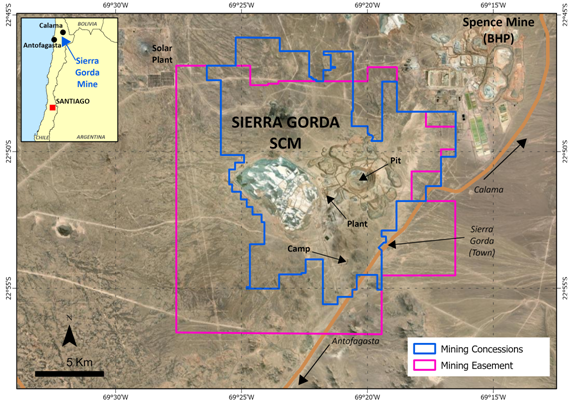
Figure 2: Regional geology map
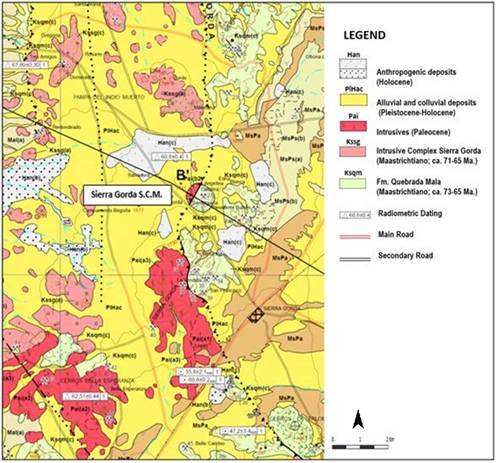
Figure 3: Distribution of drill holes used in the resource estimation (looking from the top)
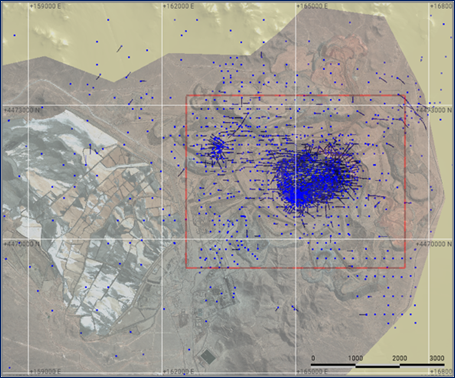
Figure 4: Spatial distribution of the new drillings incorporated into the 2026 OK Resource Model (blue: Infill, red: Geotechnical, green: Catabela NE) (looking from the top)
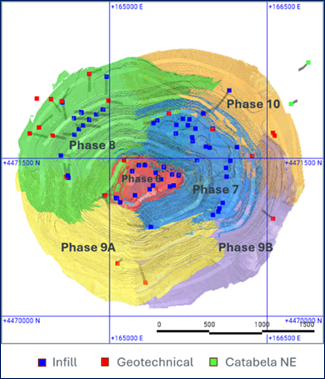
Figure 5. SW-NE Section of the Lithological Model
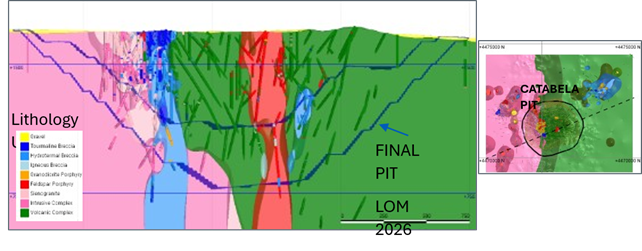
Figure 6: SW-NE Section of the Hydrothermal Alteration Model
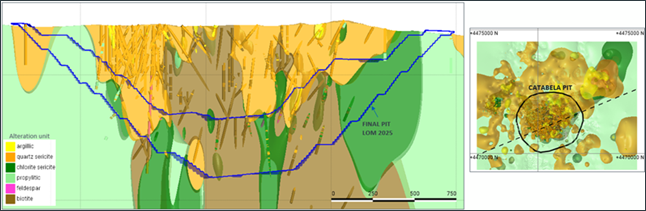
Figure 7: SW-NE Section of the Copper Mineralisation Model
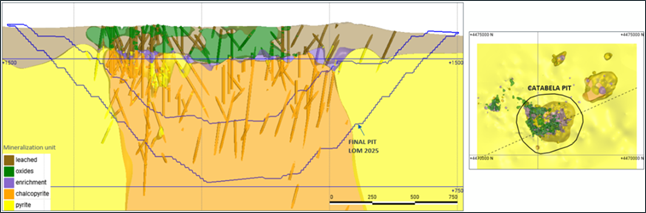
Figure 8: TCu Swath Plot, Estimation Units 5, 6, 7 and 8
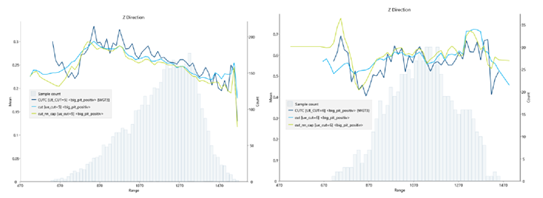
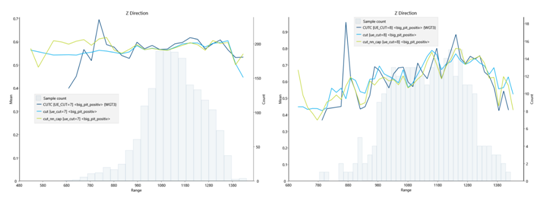
Figure 9: a) Categorisation January 2023 based indicators; b) Categorisation April 2026 with greater spatial continuity, based on DHSA
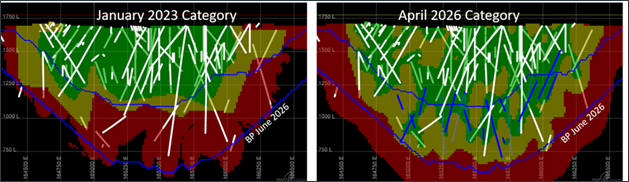
Figure 10: Cross Section 4,471,235N showing the distribution of total copper grade (TCu > 0.2%) in the block model
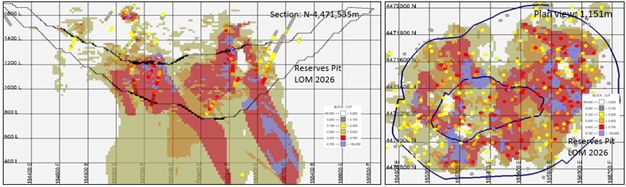
Figure 11: Cross Section 4,471,535N showing the distribution of total copper grade (TCu > 0.2%) in the block model
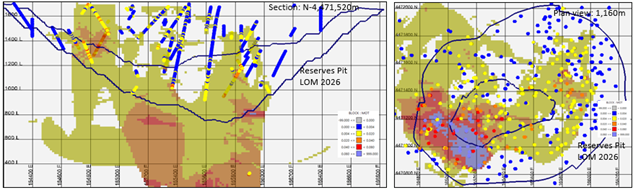
Figure 12: Geo-metallurgical domains considering lithology, mineralisation and alteration
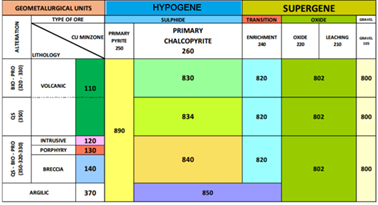
Table 1: Geo-mechanical pit design parameters
|
Material type |
B (m) |
hB (m) |
αb (°) |
αIR(°) |
|
Gravel |
13.2 |
16 |
70° |
40° |
|
Oxide |
9.1 |
16 |
70° |
47° |
|
Transition αIR=50° |
10.6 |
16 |
80° |
50° |
|
Transition αIR=52° |
9.7 |
16 |
80° |
52° |
|
Sulphide |
8.8 |
16 |
80° |
54° |
B (m): berm; hB (m): bench height; αb (°): bench phase angle; αIR(°): inter-ramp angle
Table 2: Pit design parameters
|
Parameters |
Unit |
Value |
|
Bench height |
(m) |
16 |
|
Berm |
(m) |
>8.8 and <13.2 |
|
Bench face angle |
(°) |
>70 and <80 |
|
Minimum phase width |
(m) |
90 |
|
Ramp width |
(m) |
40 |
|
Ramp slope |
(%) |
10 |
|
Decouplings |
(m) |
25 |
|
Maximum inter-ramp height |
(m) |
192 |
|
Phase connection angle |
(°) |
< 35 |
Table 3: Global copper recovery models
|
UGM |
Global Copper Recovery Models |
|
830 |
|
|
834 |
|
|
840 |
|



TCu%- grade of total copper; Fe%- grade of total iron; Mo%- grade of total molybdenum; CuS%- grade of soluble copper; BWI- Bond Work Index; P80= 174µm
Table 4: Global molybdenum recovery models
|
UGM |
Models for Global Mo Recovery |
|
830 |
|
|
834 |
|
|
840 |
|



TCu%- grade of total copper; Fe%- grade of total iron; Mo%- grade of total molybdenum; CuS%- grade of soluble copper; BWI- Bond Work Index; P80= 174µm
[1] Australasian Code for Reporting of Exploration Results, Mineral Resources and Ore Reserves, 2012 edition. Ore Reserve and Mineral Resource estimates are reported on a 100% basis.
[2] Compared to 30 June 2026. Refer to Annexure 1 of this announcement.
[3] For Ore Reserves, CuEq (%) = Cu (%) + 2.5913 * Mo (%) + 0.4274 * Au (g/t) and for Mineral Resource CuEq (%) = Cu (%) + 2.5659 * Mo (%) + 0.4415 * Au (g/t). The copper equivalent (CuEq %) was calculated using Sierra Gorda's internal price forecasts and average payable metallurgical recovery assumptions are 83.1% for Cu, 53.2% for Mo and 46.5% for Au. The price is commercially sensitive and is not disclosed.
[4] Includes expanded processing capacity from the fourth grinding line project.
[5] Refer to market release "Final investment approval for Sierra Gorda 4th Grinding Line", dated 1 July 2026 for further details.
This information is provided by RNS, the news service of the London Stock Exchange. RNS is approved by the Financial Conduct Authority to act as a Primary Information Provider in the United Kingdom. Terms and conditions relating to the use and distribution of this information may apply. For further information, please contact rns@lseg.com or visit www.rns.com.
RNS may use your IP address to confirm compliance with the terms and conditions, to analyse how you engage with the information contained in this communication, and to share such analysis on an anonymised basis with others as part of our commercial services. For further information about how RNS and the London Stock Exchange use the personal data you provide us, please see our Privacy Policy.
ENDRNS may use your IP address to confirm compliance with the terms and conditions, to analyse how you engage with the information contained in this communication, and to share such analysis on an anonymised basis with others as part of our commercial services. For further information about how RNS and the London Stock Exchange use the personal data you provide us, please see our Privacy Policy.